Decisions is the AI orchestration platform that coordinates agents, rules, workflows, and systems in a single orchestration layer, so every AI action is governed, auditable, and aligned with your business logic.

Orchestrate agents with governance from design to deployment, to every decision they make—for safe use and better outcomes.
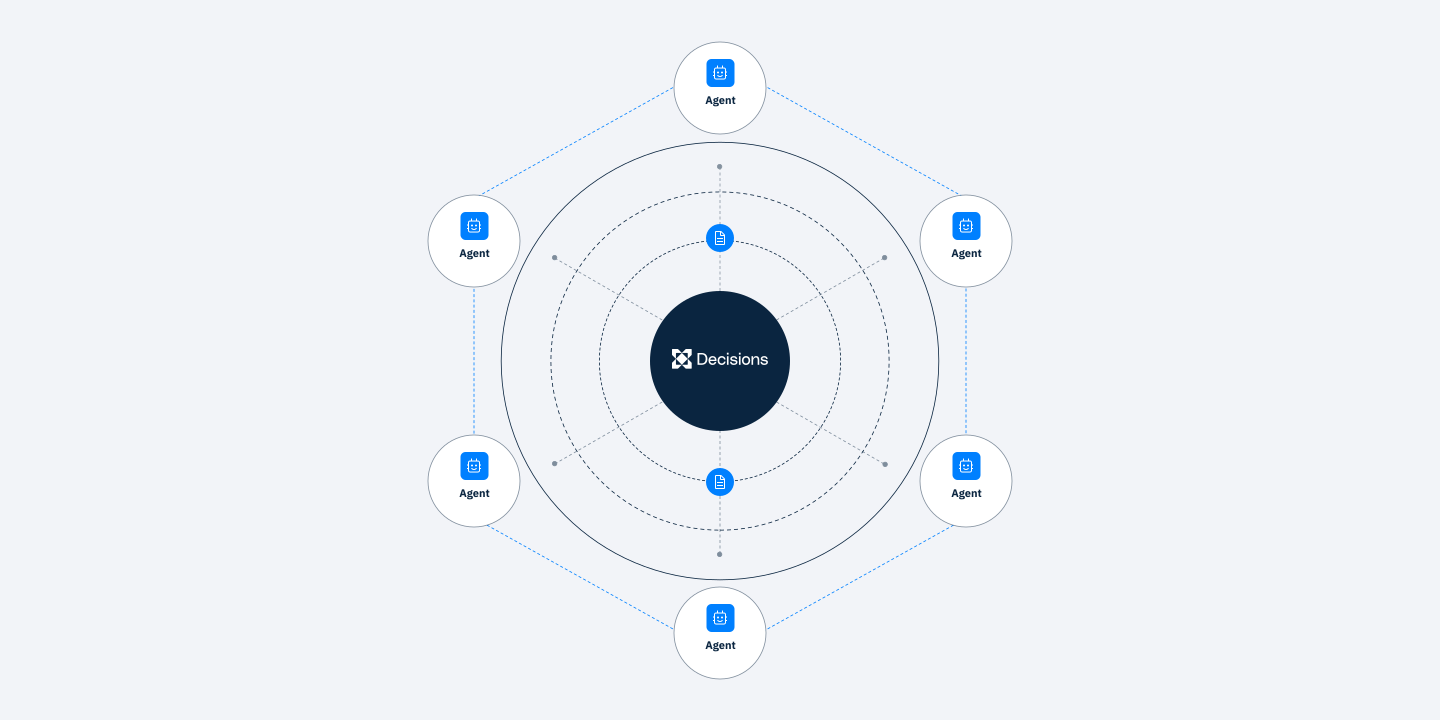
Agents are deployed across systems, but governance is largely system-dependent. The more agents you deploy, the greater the risk becomes.

Teams deploy agents independently. Logic duplicates, behavior conflicts, and no one has a clear view of what’s running, who approved it, or what it decides.

AI outputs drive actions, but without rules or guardrails. Decisions vary, intelligence is siloed, reasoning is inconsistent, and outcomes are unpredictable and difficult to explain or trust.

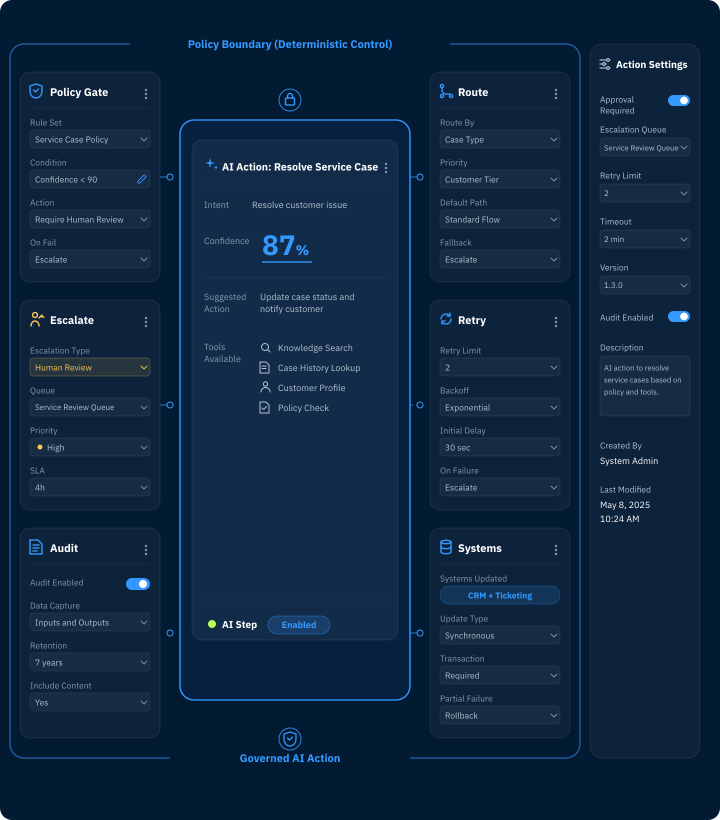
Every AI action is guided by rules, so outcomes stay consistent, explainable, and aligned to your business.

Move fast with AI while maintaining oversight, approvals, and governance where it matters most.

Update decisions and behavior instantly, without developer bottlenecks or system rewrites.
What changes when AI-driven decisions have to operate within real business rules, policies, and controls?
From building your first agent to governing hundreds across the enterprise, every capability is unified in a single drag-and-drop studio.



of organizations using AI expect to increase overall AI investment because of generative AI.
of enterprises will adopt unified orchestration platforms by 2030.
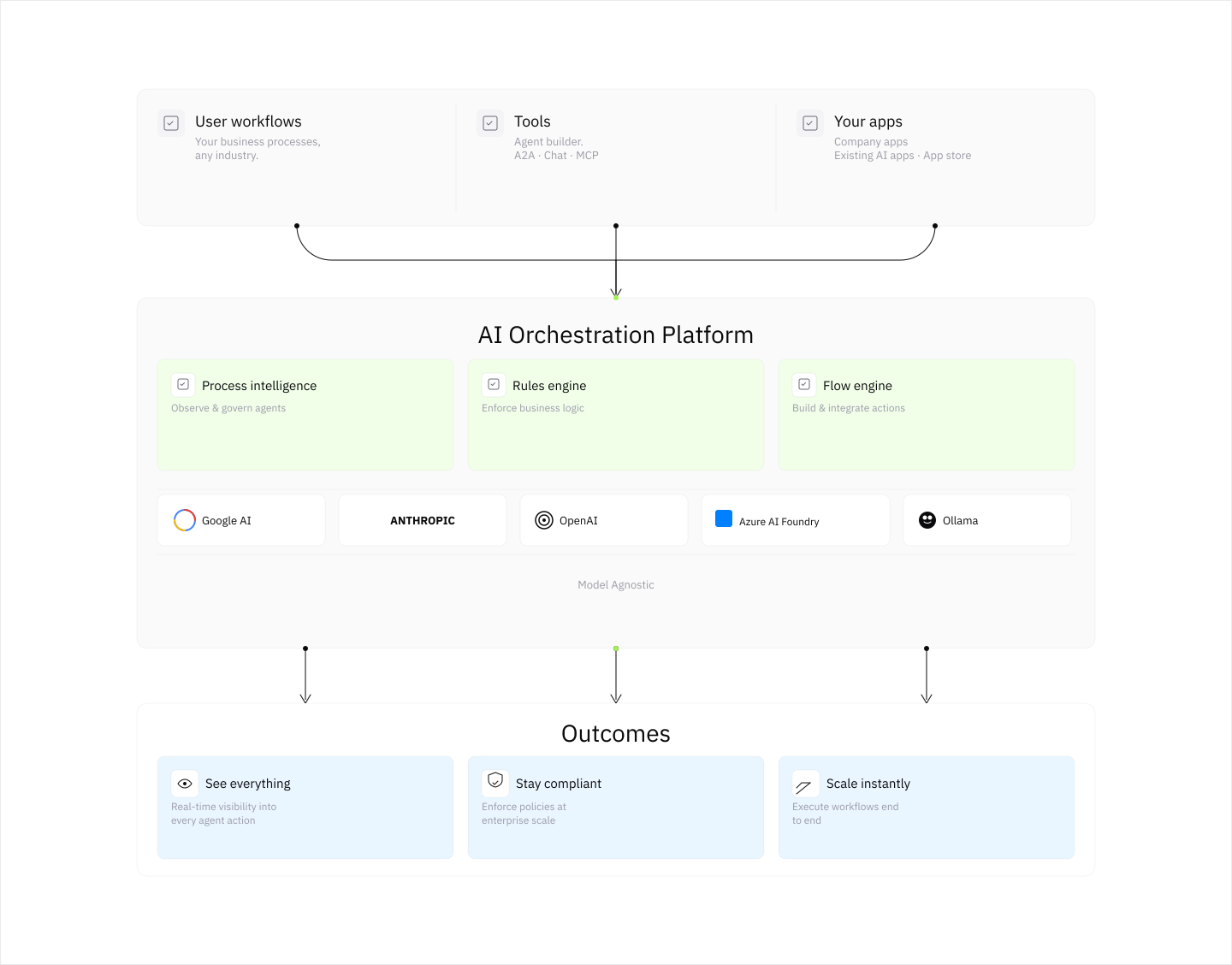
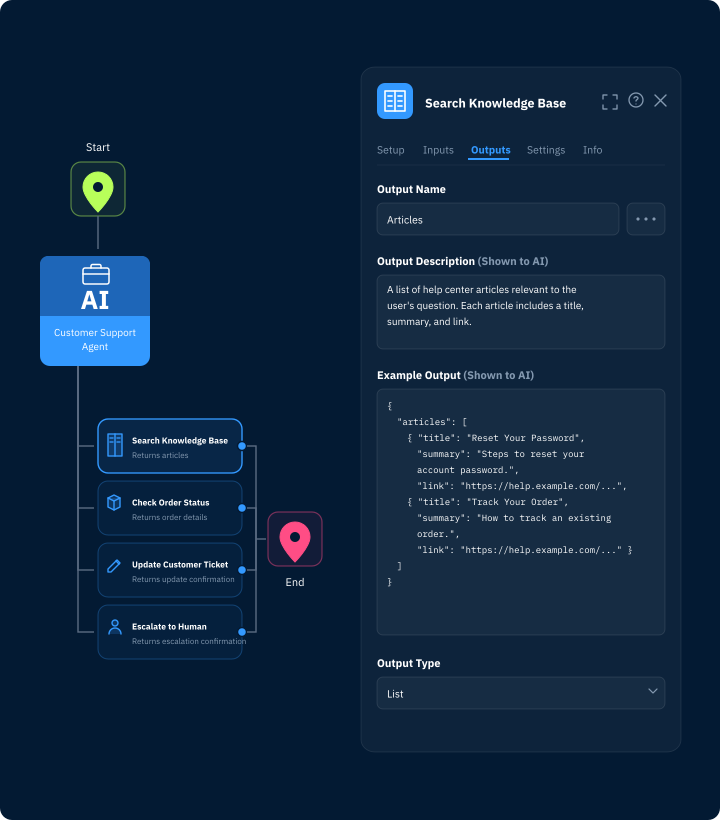
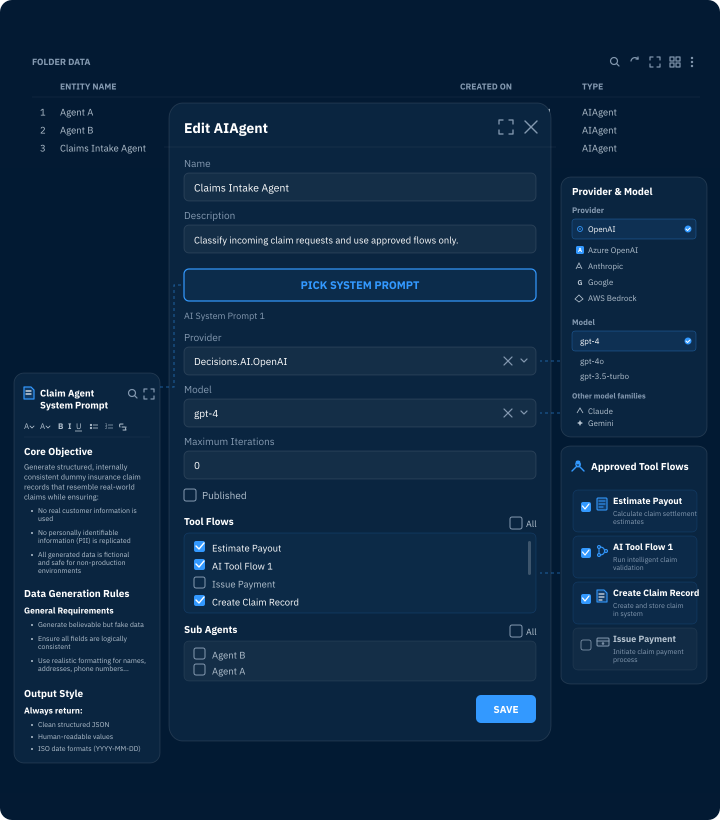
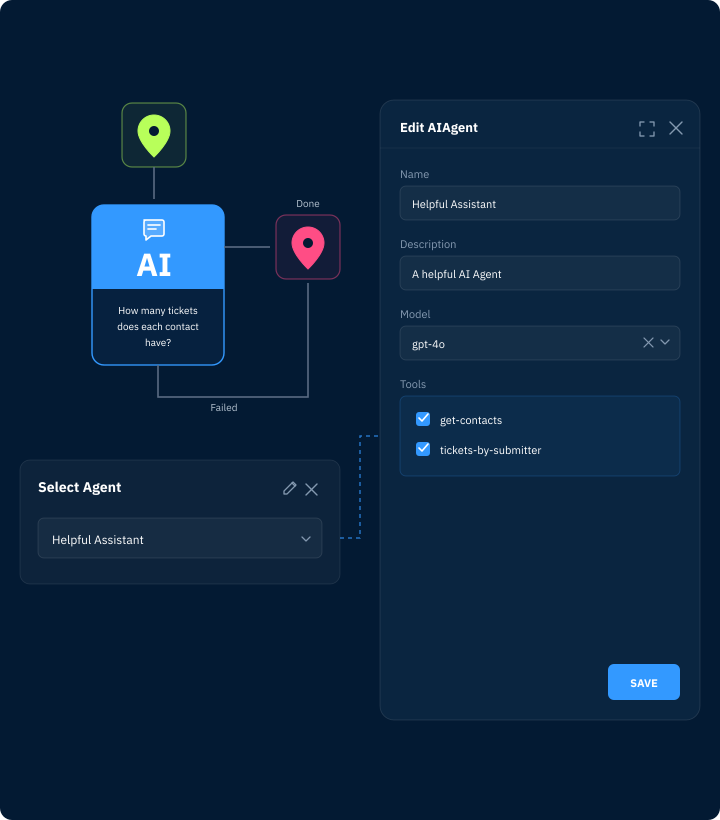
Build agents by combining prompts, models, and tool flows in Agent Designer. Then connect those agents to workflows, data, and business actions so they can operate inside governed, orchestrated processes.

Create the system prompt to set context, instructions, and expected behavior for the agent.
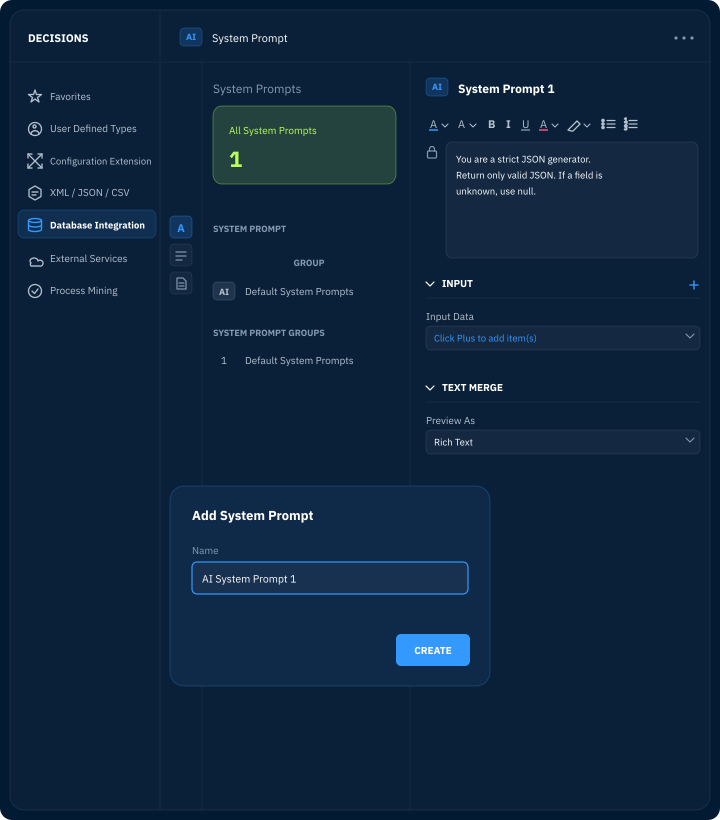


Agent Designer is the central place to build, configure, and manage AI agents—bringing together prompts, models, and tool flows in a single, governed environment.
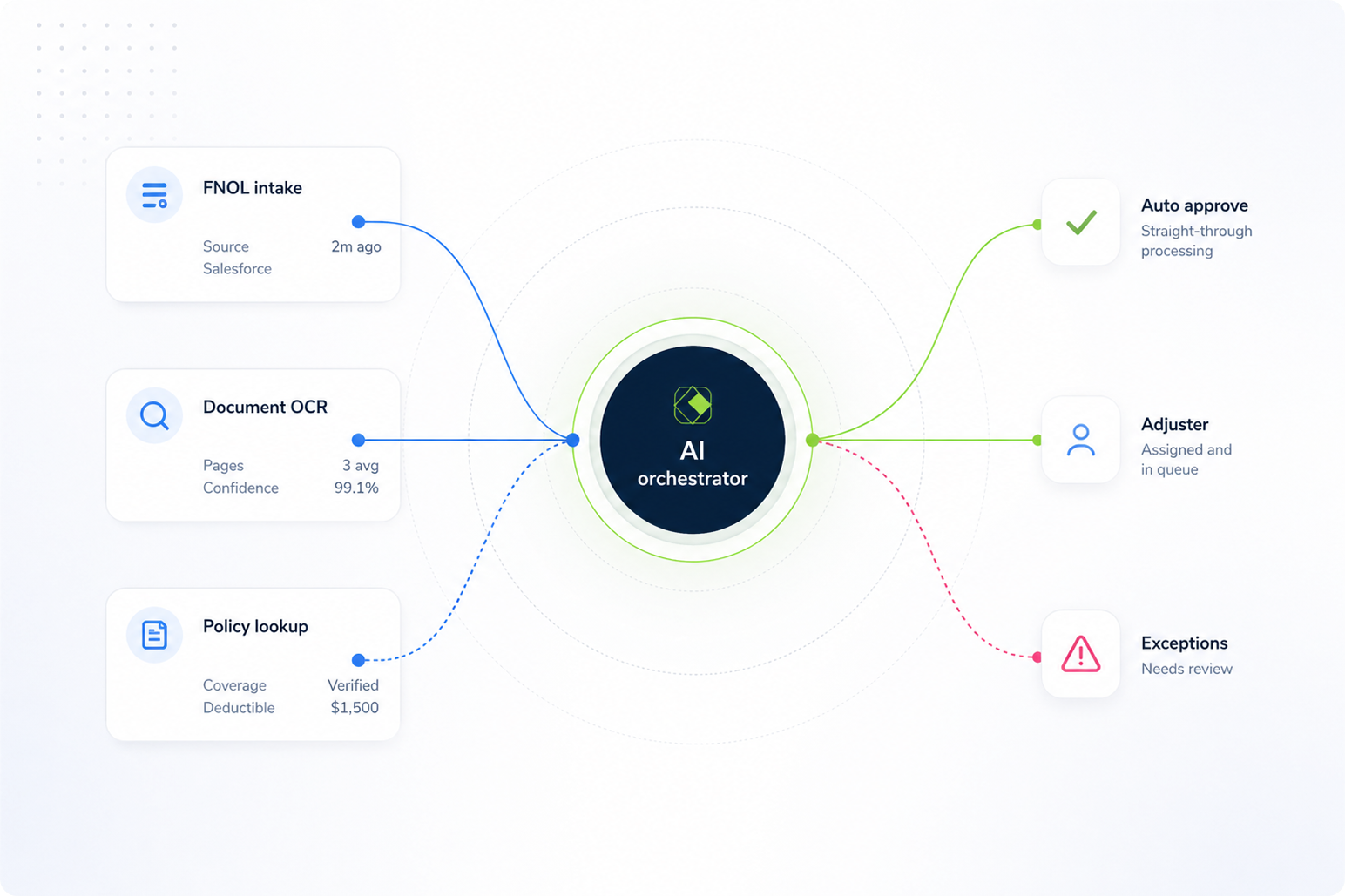
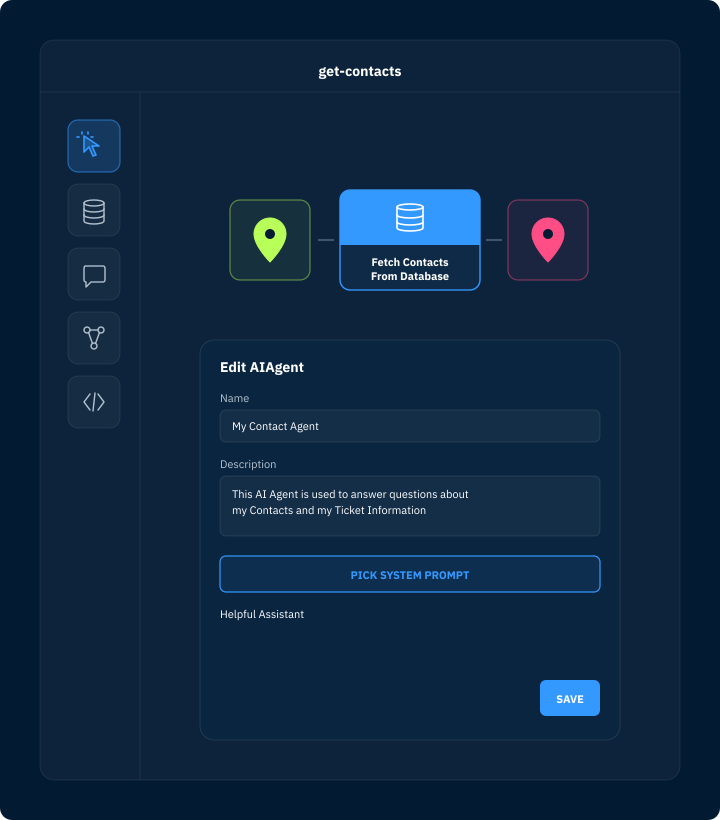
AI orchestration unifies models, agents, rules, workflows, and data into a single control plane so AI behaves predictably and safely across the enterprise. Without orchestration, organizations face inconsistent outputs, ungoverned agents, and fragmented model usage. Decisions coordinates agents, models, people, and systems under one control plane—managing state, routing, retries, and approvals while rules govern every step, so every AI action is auditable and explainable.
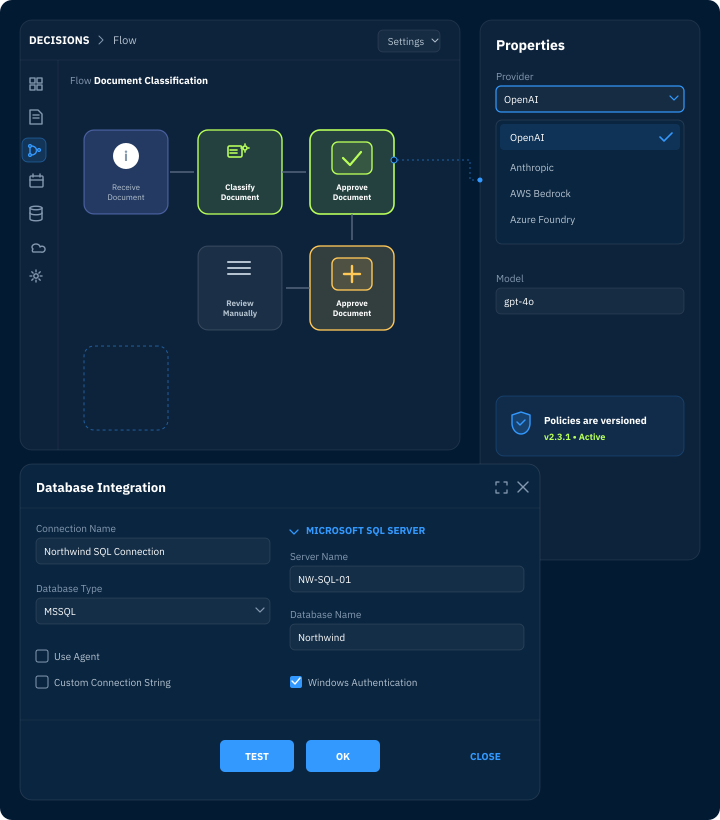
Decisions provides a visual drag-and-drop studio where you design agent actions, connect them to workflows, and wrap them in rule-based governance. The AI orchestration layer coordinates agents, people, and systems—managing state, routing, retries, and approvals while rules govern every step. You can build and manage both 1st-party and 3rd-party agents within the same platform.

See how Decisions unifies agents, rules, workflows, and systems in a single orchestration platform.

Agents operate in isolation instead of as part of a coordinated process. Work breaks between systems, handoffs fail, and outcomes lack consistency.

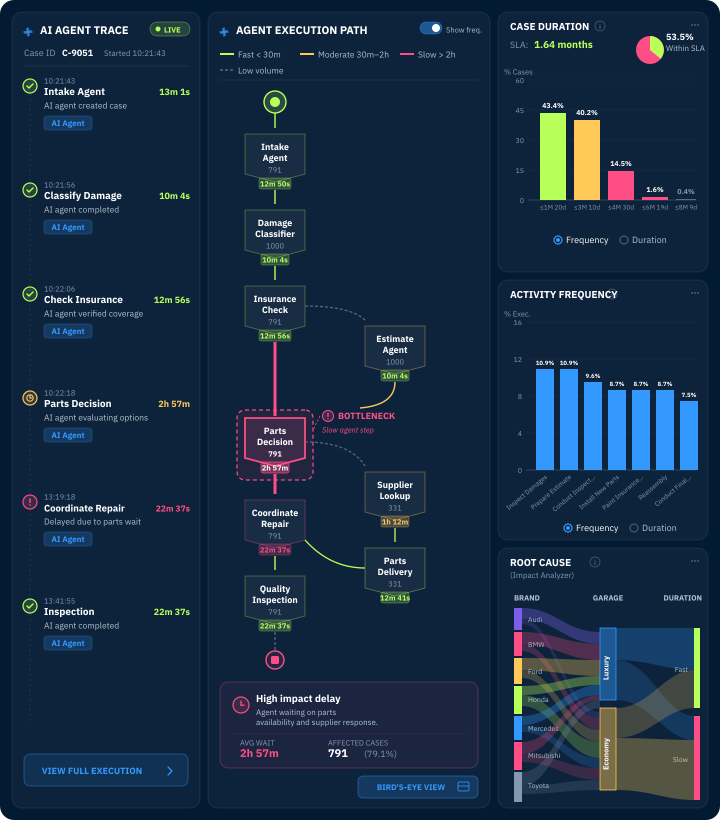
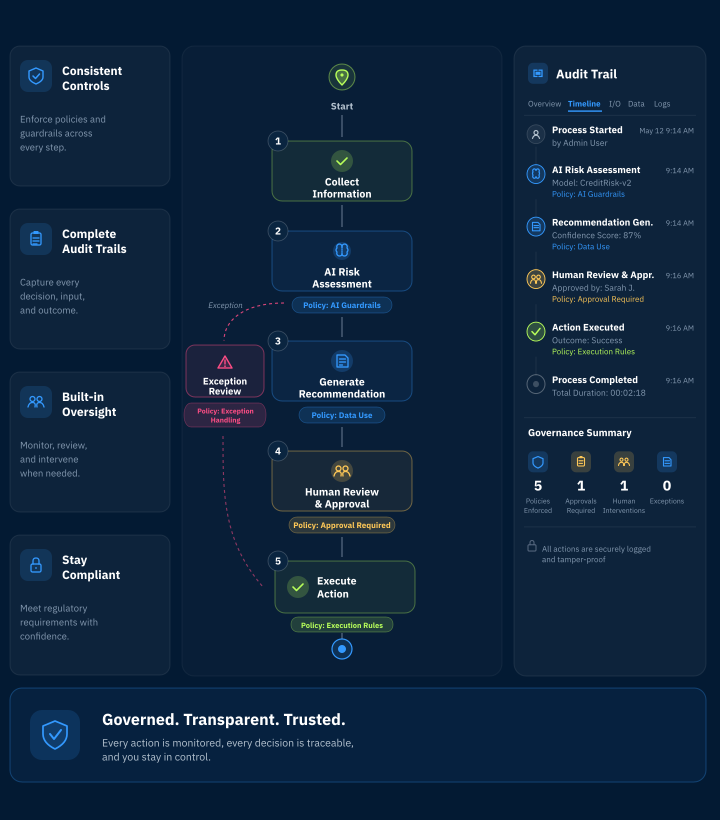
Track every decision, action, and outcome, so AI remains transparent and accountable.

Swap models, update tools, and adapt processes without rebuilding your foundation.

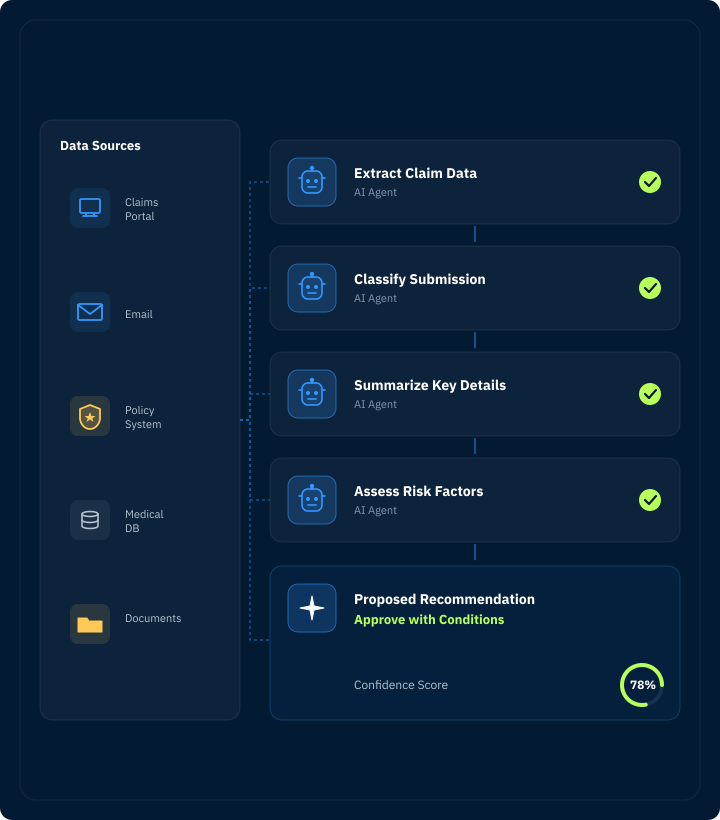
AI doesn’t operate in isolation. Decisions connects agents, workflows, and systems so work moves forward in a controlled, end-to-end process.
The Decisions rules engine evaluates AI outputs against pre-configured conditions before any action is taken. This includes statement rules, truth tables, matrix rules, and more. It’s the same rules engine that processes billions of evaluations per hour for mission-critical decisions. Every call, prompt, output, rule path, and action is captured in a complete decision history for audit and compliance.
Decisions workflows let you configure exactly where human review and approval are required. You can set rule-based thresholds that determine when an agent can act autonomously and when it must pause for human input. For example, auto-processing low-risk claims while escalating high-value or ambiguous cases to a reviewer. Approval steps, branching logic, and escalation paths are all designed visually in the same studio where you build agent actions.
Decisions centralizes all agent management under a single control plane. Every agent is built from governed building blocks, shares the same rules engine, and runs within versioned workflows. This means no shadow agents, no duplicated logic across teams, and a single audit trail for everything AI does across the enterprise.